Eucharistic Miracle of Weiten-Ravendorf
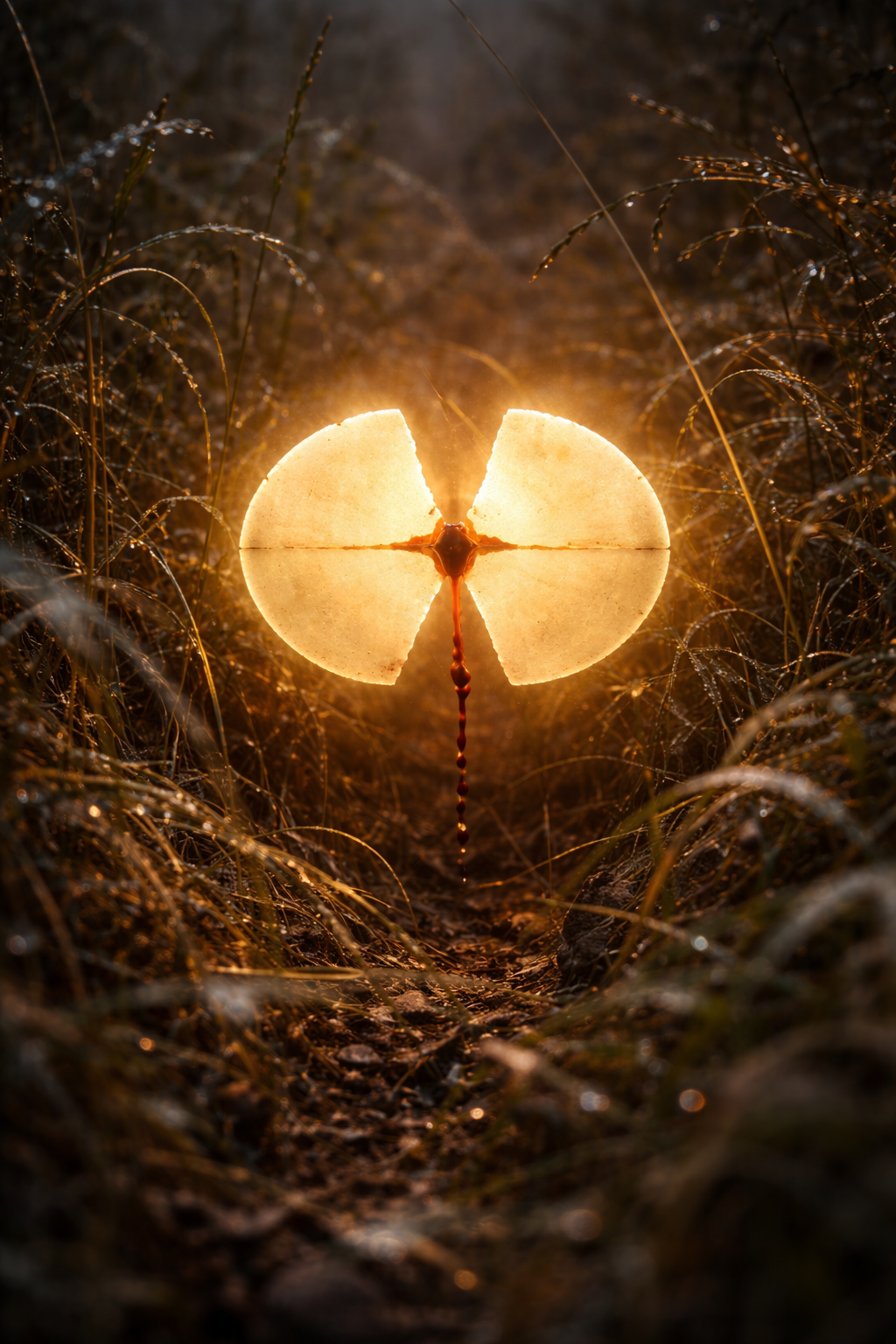
In the year 1411, in the region that is now part of Lower Austria, a recognized Eucharistic miracle took place. At that time, many priests kept Consecrated Hosts protected in the sacristy to prevent profanation or theft, as similar incidents had been occurring in the surrounding areas..
Despite all the care and concern of the parish, one night a man managed to break into the sacristy of the Weiten parish and steal a Consecrated Host. He placed it inside his glove and immediately mounted his horse to flee, heading toward the nearby village of Spitz. However, instead of taking the main road, he took a shortcut through a rural path in the valley known as “Am Schuß,” near Mühldorf.
The escape was going according to plan until something unexpected happened: the horse suddenly stopped and refused to move, remaining motionless despite the thief’s every effort.
Witnesses working in the nearby fields tried to help, but nothing could make the animal budge. This unusual behavior caught the peasants' attention.
Then, without any apparent explanation—and as if prompted by an invisible force— the horse suddenly broke into an uncontrolled gallop, leaving the thief stunned. During the commotion, the Host fell to the ground without him noticing.
The man continued on his way in a hurry, unaware that he was no longer carrying the Blessed Sacrament.
Days later, a pious woman from the town of Mannersdorf, referred to in historical accounts as Mrs. Scheck, passed by that same stretch of the path.
As she walked, she saw an intense light emanating from a small thicket, which caught her eye. Upon approaching, she found the Host lying on the ground at the very center of that light.
While observing and adoring the Sacred Eucharist, Mrs. Scheck noticed that it was divided into two parts but remained joined by thin filaments that looked like bloody flesh, an image that deeply moved her.
Profoundly touched by the event, Mrs. Scheck decided to build a small chapel on the exact spot where she found the Host as a gesture of thanksgiving and devotion. Over time, this chapel became a pilgrimage center for the faithful who heard of the miracle and wished to pray before the Eucharist.
The influx of pilgrims increased year after year until it became necessary to build a larger church to accommodate the numerous devotees who gathered there to celebrate their faith. Thus, the site established itself as an enduring center of Eucharistic devotion in the region.
References: Miracoli Eucarístici, Deeper Thuth Blog